Welcome to a realm where the future of technology meets the extraordinary: Quantum Computing. In an age dominated by digital advancements, Quantum Computing emerges as the groundbreaking frontier reshaping the landscape of possibilities. In this comprehensive guide, we unravel the intricate world of Quantum Computing, exploring the transformative potential it holds for industries, businesses, and our daily lives. Get ready to embark on a journey where Quantum Computing isn’t just a buzzword; it’s the key unlocking unprecedented computational power. Join us as we delve deep into the core concepts, demystifying the complexities of Quantum Computing, and understanding how it’s poised to revolutionize the way we perceive and solve problems in the digital age.
The heartbeat of the technological future echoes with the rhythm of Quantum Computing. In our quest for innovation, Quantum Computing stands out as a beacon of limitless potential, promising solutions to challenges deemed insurmountable by classical computers. As we navigate this uncharted territory, understanding Quantum Computing becomes not just an option but a necessity. This article serves as your expert guide, offering a profound exploration into the world of Quantum Computing. From the basics that define Quantum Computing to the cutting-edge applications reshaping industries, we uncover the secrets behind this transformative technology. Join us on this enlightening journey, where the complexities of Quantum Computing are deciphered, and the future becomes tangible through the lens of innovation.

Step into the future where Quantum Computing reigns supreme, rewriting the rules of computation and opening doors to unparalleled possibilities. In a world increasingly reliant on data-driven solutions, Quantum Computing emerges as the driving force propelling us toward new horizons. This article, The Future is Quantum: Understanding Quantum Computing, is your gateway to comprehending the marvels of Quantum Computing. We unravel the intricacies of quantum bits and quantum gates, demystifying the magic behind this revolutionary technology. Join us as we explore real-world applications, unveiling how Quantum Computing is poised to reshape industries, accelerate scientific discoveries, and redefine the way we process information. Stay with us to grasp the nuances of Quantum Computing, and witness the future unfolding before your eyes.
Prepare to embark on a journey that transcends the boundaries of classical computing, introducing you to a realm where the future is not just advanced but quantum: Quantum Computing. As the digital landscape evolves at an unprecedented pace, Quantum Computing emerges as a beacon of innovation, offering solutions that were once deemed impossible. This article is your definitive guide to understanding Quantum Computing, delving into the intricate world of qubits, quantum gates, and quantum algorithms. With a focus on demystifying the science behind Quantum Computing, we unveil the potential it holds for revolutionizing diverse sectors, from cryptography to drug discovery. Join us in this exploration, where the keyword is clarity, and the subject is Quantum Computing, shaping the future one qubit at a time.
Table of Contents
Introduction
Welcome to the Quantum Era
In the ever-expanding landscape of technology, we find ourselves at the doorstep of an extraordinary era: the Quantum Era. Quantum Computing, the cornerstone of this era, stands as a testament to human innovation and scientific prowess. It represents a paradigm shift, where traditional binary systems yield to the immense power of quantum bits or qubits. Welcome to a world where the laws of classical physics blur, and the principles of quantum mechanics come to play. Understanding Quantum Computing is not just an intellectual pursuit; it’s a necessity in this age of rapid advancements. This article serves as your guide, unraveling the complexities of Quantum Computing and shedding light on its transformative potential. Join us on this exciting journey into the Quantum Era, where the future is no longer a distant dream but a tangible reality shaped by the infinite possibilities of Quantum Computing.
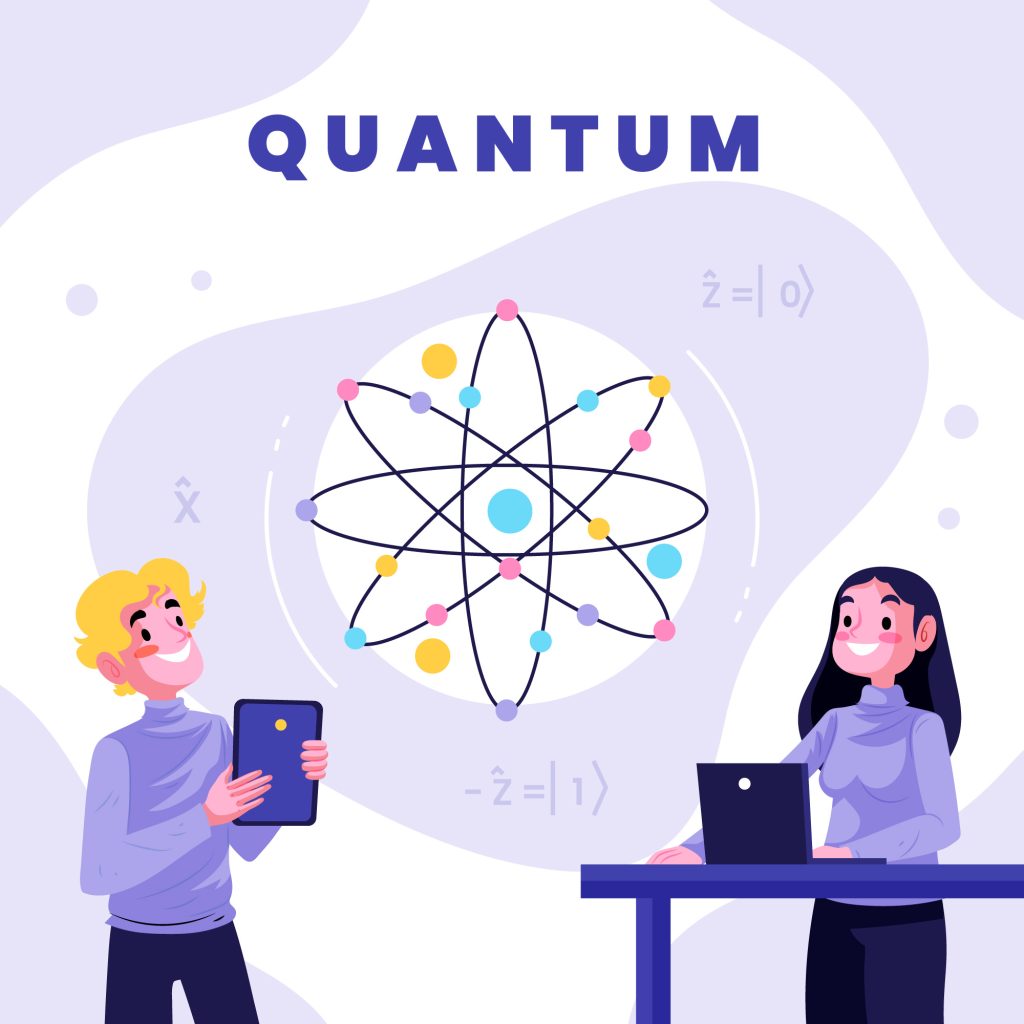
As we step into the Quantum Era, the rules of the game are rewritten, and Quantum Computing takes center stage. Imagine a world where computational problems once considered insurmountable are tackled effortlessly. Quantum Computing operates on the principles of superposition and entanglement, where qubits can exist in multiple states simultaneously. This remarkable capability opens doors to solutions that were previously unimaginable. This article is your passport to this fascinating world. Whether you’re a tech enthusiast, a researcher, or a curious mind eager to explore the potential of Quantum Computing, you’re in the right place. Join us as we unravel the intricacies of Quantum Computing, bridging the gap between theory and application, and discover how Quantum Computing is revolutionizing the digital landscape one qubit at a time.
Welcome to a future where the computational boundaries are pushed to unprecedented levels, all thanks to Quantum Computing. In this quantum frontier, traditional computers pale in comparison to the computational prowess of quantum machines. Quantum Computing harnesses the unique properties of quantum bits, allowing for exponential processing power. As we delve deeper into this realm, we explore the nuances of Quantum Computing, demystifying the science behind it. From its fundamental concepts to real-world applications, this article is your comprehensive guide to understanding Quantum Computing. Join us in this exploration of Quantum Computing, where the keyword is clarity, and the future is shaped by the limitless potential of quantum bits.
Why Understanding Quantum Computing is Crucial
In the rapidly advancing digital landscape, grasping the fundamentals of Quantum Computing is not merely an intellectual pursuit; it’s a strategic imperative. Quantum Computing, often hailed as the future of technology, transcends the limitations of classical computing systems. As businesses, researchers, and innovators grapple with complex problems, Quantum Computing emerges as a game-changer. Its ability to process vast amounts of data simultaneously, thanks to quantum bits or qubits, promises unparalleled computational power. Those versed in Quantum Computing are not just witnesses to innovation; they become architects of a future where solutions to global challenges, from climate modeling to drug discovery, lie within the quantum realm. Understanding Quantum Computing isn’t a choice; it’s an investment in navigating the transformative waves reshaping our digital world.
In the realm of technology, adaptation is key, and Quantum Computing represents the next evolutionary leap. As industries evolve, the demand for computational speed and efficiency grows exponentially. Quantum Computing, with its ability to perform complex calculations at speeds unimaginable to classical computers, is poised to revolutionize every sector it touches. From optimizing supply chains to enhancing artificial intelligence algorithms, Quantum Computing holds the potential to redefine how we solve problems. Those who comprehend the intricacies of Quantum Computing are equipped with a toolkit that unlocks innovative solutions to age-old challenges. In today’s competitive landscape, staying ahead means understanding Quantum Computing and harnessing its power to drive innovation and secure a sustainable future.
In a world where technological advancements are the cornerstone of progress, Quantum Computing stands as a beacon of limitless potential. It’s not merely about deciphering quantum algorithms or mastering quantum gates; it’s about embracing a new way of thinking. Understanding Quantum Computing empowers individuals and organizations to explore uncharted territories, solve previously unsolvable problems, and pave the way for groundbreaking discoveries. In the digital age where data reigns supreme, Quantum Computing knowledge becomes a catalyst for innovation. Those who delve into the intricacies of Quantum Computing aren’t just tech enthusiasts; they are pioneers shaping the future, where the keyword isn’t limitation—it’s Quantum Computing, unlocking doors to a world of infinite possibilities.
The Basics of Quantum Computing
Defining Quantum Computing: Beyond Bits and Bytes
In the realm of technology, Quantum Computing transcends the binary constraints of traditional computing, venturing into a world where the quantum bits, or qubits, reign supreme. Unlike classical bits that represent either 0 or 1, qubits exist in a state of superposition, allowing them to be both 0 and 1 simultaneously. This unique property forms the foundation of Quantum Computing, enabling machines to process vast datasets and complex algorithms at speeds previously deemed impossible. Imagine a computing system not limited to bits and bytes but operating in a quantum state, where the laws of quantum mechanics open doors to computations on an unprecedented scale. Understanding Quantum Computing goes beyond the surface level, delving into the intricate dance of particles and probabilities that drive this revolutionary technology. As we explore the depths of Quantum Computing, we unravel a world where classical limitations dissolve, and the future of computation is redefined by the infinite potential of quantum states.
At the heart of Quantum Computing lies the transformative concept of qubits, quantum bits that challenge the very essence of classical computing. By harnessing the principles of superposition and entanglement, Quantum Computing unlocks a realm where computations occur in parallel across multiple states. This profound departure from binary thinking signifies a shift in the computational paradigm. Understanding Quantum Computing entails grasping the nuances of qubits—tiny yet immensely powerful particles that represent a fundamental departure from the world of classical bits. Quantum Computing is not merely a technology; it’s a revolution, redefining how we process information. Those well-versed in Quantum Computing are equipped to harness the infinite capabilities of quantum bits, paving the way for innovations that were once considered science fiction. As we delve into the intricacies of qubits, we venture into a future where Quantum Computing reshapes the digital landscape, transforming the impossible into the achievable.
In the evolution of computing, Quantum Computing emerges as a revolutionary force, challenging the binary limitations that have defined classical computers for decades. Traditional computers process data in binary form, following the strict logic of 0s and 1s. Quantum Computing, on the other hand, introduces a paradigm shift where quantum bits, or qubits, can exist in multiple states at once. This phenomenon, known as superposition, enables computations on an exponential scale, solving problems that were once considered computationally infeasible. Understanding Quantum Computing requires embracing the quantum revolution, where the computational power of qubits transcends classical constraints. It’s a leap beyond the binary world into a dimension where quantum states create a playground for innovation. As we explore this quantum revolution, we unravel the potential of Quantum Computing to transform industries, accelerate scientific discoveries, and usher in a future where the complexities of today are decoded by the quantum computations of tomorrow.
Qubits and Superposition: The Quantum Building Blocks
In the fascinating universe of Quantum Computing, qubits and superposition stand as the foundational building blocks, reshaping the very essence of computational possibilities. Unlike classical bits limited to 0s and 1s, qubits possess a remarkable quality called superposition, allowing them to exist in multiple states simultaneously. It’s akin to a computational ballet where qubits perform complex routines, exploring countless possibilities in a single moment. This intricate dance of superposition forms the backbone of Quantum Computing, enabling machines to process vast amounts of data parallelly. Understanding Quantum Computing necessitates grasping the elegance of qubits in superposition, where the digital realm transforms into a quantum playground. As we dive deeper into this quantum ballet, we unlock the door to a world where complex problems are solved not through linear logic but through the mesmerizing harmony of quantum states, marking a profound shift in computational capabilities.
At the heart of Quantum Computing lies the extraordinary concept of qubits, the pioneers of the quantum realm. These quantum bits possess a remarkable trait: superposition, allowing them to be both 0 and 1 at the same time. Imagine a digital entity capable of exploring multiple solutions concurrently, a feat that classical bits can only dream of achieving. Qubits, by existing in a state of superposition, exponentially increase the computational power of Quantum Computing. They become the canvas upon which quantum algorithms paint solutions to problems once deemed insurmountable. Understanding Quantum Computing starts with unraveling the mystique of qubits and their ability to dance through the quantum states of superposition. As we delve into the intricacies of qubits, we unlock the door to unparalleled computational potential, where Quantum Computing becomes not just a tool but a transformative force shaping the future of technology.
In the realm of Quantum Computing, qubits emerge as the trailblazers, ushering in an era of unparalleled computational capabilities. The magic lies in their ability to exist in multiple states simultaneously—a phenomenon known as superposition. Picture a quantum bit exploring a multitude of solutions at once, rendering traditional binary computing limitations obsolete. This groundbreaking concept transforms Quantum Computing from a theoretical framework into a tangible force capable of solving complex problems at exponential speeds. Understanding Quantum Computing means grasping the essence of qubits in superposition, where digital boundaries blur, and new horizons of computation open. As we navigate the intricacies of qubits, we embark on a journey where Quantum Computing transcends the limitations of classical systems, paving the way for innovative solutions and revolutionizing the very fabric of our digital future.
Entanglement: Quantum Physics in Action
In the captivating world of Quantum Computing, entanglement emerges as a phenomenon that defies the conventional rules of physics, showcasing the marvels of quantum entanglement in action. Entanglement occurs when two particles become interconnected, influencing each other’s state regardless of the distance between them. This eerie connection, as famously described by Einstein as spooky action at a distance, lies at the heart of Quantum Computing’s power. In the quantum realm, entangled particles, or qubits, share an unbreakable bond, allowing information to be instantaneously transferred, revolutionizing communication and computation. Understanding the implications of entanglement is crucial in grasping the full potential of Quantum Computing, where the synergy of particles defies classical limitations, propelling us into a new era of computational possibilities.
Imagine particles so profoundly connected that the state of one instantly influences the state of the other, regardless of the distance between them. This extraordinary connection, known as entanglement, is the cornerstone of Quantum Computing. In this synchronized symphony of qubits, particles become intertwined in a manner that classical physics struggles to explain. Entangled qubits share a quantum link, enabling them to work harmoniously, opening avenues for quantum communication and computation. Understanding the intricacies of entanglement is akin to deciphering the notes of a complex musical composition. As we explore the harmony of entangled particles, we unlock the secrets of Quantum Computing, where this entwined dance propels us toward innovations previously considered beyond the realm of possibility.
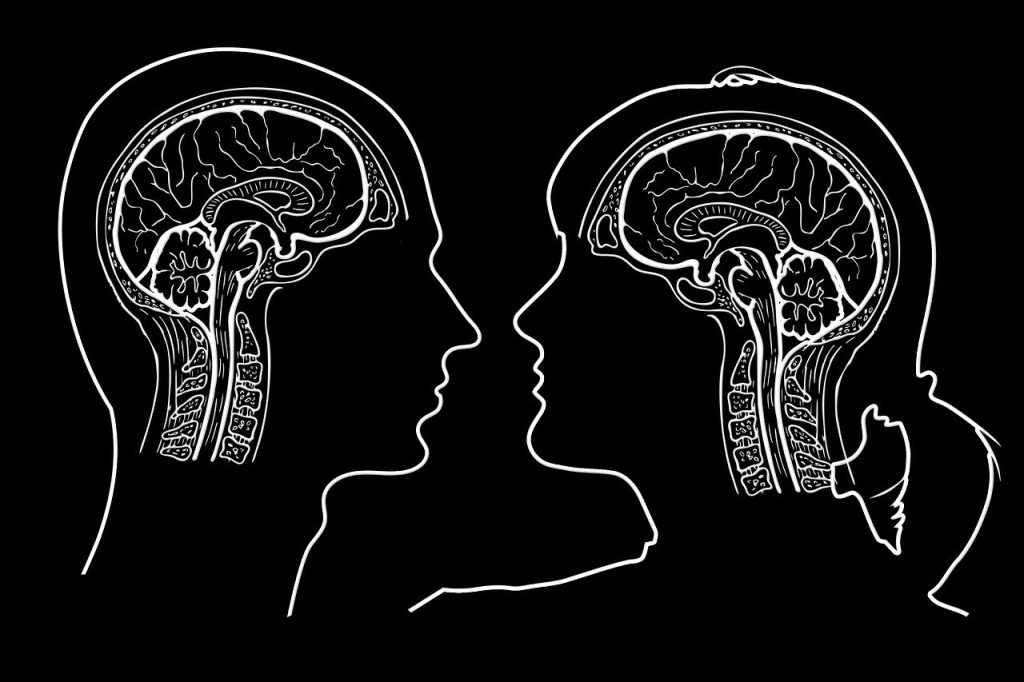
Entanglement, the enigmatic phenomenon in the world of Quantum Computing, is the quantum bond that transcends spatial constraints. When particles become entangled, their states become intertwined, regardless of the physical distance separating them. This interconnection challenges our classical understanding of physics, opening the door to a new era of communication and computation. In Quantum Computing, entanglement serves as the linchpin, enabling the creation of quantum gates and circuits that process information in unprecedented ways. Delving into the concept of entanglement illuminates the path toward harnessing Quantum Computing’s immense potential. As we unravel the intricacies of this quantum bond, we pave the way for groundbreaking innovations, where entanglement becomes the catalyst propelling us into the future of technology.
Quantum Gates and Circuits: The Language of Quantum Computing
In the realm of Quantum Computing, quantum gates and circuits are the fundamental building blocks, shaping the language that computers of the future speak. Unlike classical computers that operate with logical gates like AND and OR, Quantum Computing employs quantum gates, manipulating qubits in extraordinary ways. These gates, analogous to classical gates, perform quantum operations that are essential for quantum circuits’ functionality. Quantum circuits, formed by these gates, orchestrate the complex dance of qubits, allowing computations to occur. Understanding the language of quantum gates and circuits is akin to deciphering a quantum code; it’s the key to unlocking the immense processing power of Quantum Computing. As we delve deeper into this language, we uncover the secrets of quantum algorithms, quantum error correction, and the innovative solutions that Quantum Computing offers to intricate real-world problems, marking a paradigm shift in computational capabilities.
Quantum gates, the quantum counterpart to classical logical gates, are the alphabet of Quantum Computing. Each gate represents a specific operation, manipulating qubits and altering their quantum states. The beauty of these gates lies in their ability to perform complex operations on qubits, leading to the creation of intricate quantum circuits. Quantum gates can perform rotations, flips, and entanglement operations, forming the foundation for quantum algorithms. Understanding the nuances of quantum gates is essential for anyone venturing into the world of Quantum Computing. Mastery of these gates equips researchers and engineers with the tools necessary to design innovative algorithms and solve problems that were once deemed impossible. As we decode the language of quantum gates, we unravel a world where the computational possibilities are limited only by our imagination, making Quantum Computing a frontier where the extraordinary becomes achievable.
In the ever-evolving landscape of Quantum Computing, quantum circuits emerge as the threads weaving the fabric of the future of computation. These circuits, comprising interconnected quantum gates, choreograph the intricate dance of qubits, orchestrating computations that challenge the boundaries of classical computing. Quantum circuits are not mere theoretical constructs; they are the practical pathways to harnessing the immense potential of Quantum Computing. Understanding the architecture and functioning of quantum circuits is paramount, as they pave the way for groundbreaking solutions in cryptography, optimization problems, and machine learning. As we navigate the complexities of quantum circuits, we venture into a realm where the conventional limitations of computing are shattered, giving rise to a new era where Quantum Computing becomes the language through which we address the most complex challenges of our time.
Quantum Algorithms and Applications
Shor’s Algorithm: Breaking the RSA Encryption
In the realm of Quantum Computing, Shor’s Algorithm stands as a groundbreaking achievement, showcasing the unparalleled power of quantum computation. Traditional encryption methods, including the widely used RSA encryption, rely on the challenge of factoring large numbers into prime components. Shor’s Algorithm, a quantum algorithm devised by mathematician Peter Shor, has the remarkable ability to factorize large numbers exponentially faster than classical algorithms. This efficiency renders conventional encryption vulnerable, highlighting the transformative potential of Quantum Computing in the realm of cybersecurity. With Shor’s Algorithm, Quantum Computing not only demonstrates its computational superiority but also raises critical questions about the future of digital security, urging experts to explore quantum-resistant encryption methods to safeguard sensitive information in the quantum era.
Shor’s Algorithm, a marvel of Quantum Computing, redefines the landscape of cryptography, posing both a challenge and an opportunity in the world of digital security. Traditionally, encryption protocols like RSA rely on the difficulty of factoring large numbers to secure data transmission. Shor’s Algorithm, however, disrupts this paradigm by efficiently solving the factorization problem using quantum computations. The implications are profound; the algorithm’s ability to break RSA encryption demonstrates the urgent need for quantum-resistant cryptographic techniques. As Quantum Computing advances, so does the race to develop encryption methods capable of withstanding the computational might of quantum algorithms. This quantum cryptographic revolution underscores the critical role of Quantum Computing in shaping the future of cybersecurity, compelling researchers and experts to innovate and fortify digital infrastructures against the evolving threats of the quantum age.
Shor’s Algorithm, hailed as the quantum key to cryptographic evolution, embodies the disruptive potential of Quantum Computing in the field of encryption. By efficiently factoring large numbers into prime components, Shor’s Algorithm poses a significant challenge to classical encryption methods, including RSA encryption. In the age where digital security is paramount, Quantum Computing emerges as a double-edged sword, offering revolutionary computational abilities while necessitating the adaptation of cryptography to withstand quantum attacks. Shor’s Algorithm serves as a stark reminder of the impending shift in digital security paradigms, urging organizations and cybersecurity experts to explore quantum-resistant algorithms. As we navigate this transformative era, understanding the implications of Shor’s Algorithm becomes pivotal, emphasizing the urgency to innovate and secure our digital foundations against the capabilities of Quantum Computing.
Grover’s Algorithm: Unraveling the Power of Quantum Search
In the realm of Quantum Computing, Grover’s Algorithm shines as a beacon of efficiency, transforming the landscape of search algorithms. Traditional search algorithms, when applied to unsorted databases, require linear time, making them impractical for large datasets. Enter Grover’s Algorithm, a quantum search algorithm devised by Lov Grover, which showcases the remarkable speedup achievable through Quantum Computing. Grover’s Algorithm can search an unsorted database quadratically faster than classical algorithms, opening the door to rapid data retrieval in an age dominated by information. With its ability to find a specific item in an unsorted database with astonishing efficiency, Grover’s Algorithm becomes the embodiment of Quantum Computing’s potential, heralding a new era where information retrieval transcends classical limitations.
Grover’s Algorithm, a testament to the ingenuity of Quantum Computing, revolutionizes the way we approach information retrieval. Imagine searching through an unsorted database and finding the desired item exponentially faster than classical algorithms allow. Grover’s Algorithm achieves precisely that, leveraging the principles of superposition and quantum parallelism. It performs searches quadratically faster, making it an indispensable tool for tasks reliant on data retrieval. In the age of vast digital repositories, Grover’s Algorithm stands as a game-changer, offering quantum speedup and paving the way for efficient, real-time searches. Understanding the prowess of Grover’s Algorithm is key for tech enthusiasts and professionals alike, as it exemplifies the transformative power of Quantum Computing in the realm of information management.
Grover’s Algorithm, a masterpiece of Quantum Computing, redefines the precision of search operations in the digital landscape. Traditional search algorithms face challenges when dealing with massive unsorted databases, often requiring substantial time and resources. Grover’s Algorithm, however, flips the script by harnessing the quantum realm’s parallelism. It searches through unsorted data at an impressive quadratic speed, outperforming classical counterparts. This quantum precision in search operations is reshaping industries reliant on data analytics, offering solutions to complex problems with unprecedented efficiency. Grover’s Algorithm embodies Quantum Computing’s promise, demonstrating the potential to optimize search processes, accelerate information retrieval, and enhance the overall efficiency of digital systems in the modern age of data-driven decision-making.
Quantum Machine Learning: A Glimpse into the Future
Quantum Computing is on the brink of revolutionizing the field of machine learning, paving the way for unparalleled advancements in artificial intelligence. Quantum Machine Learning, a fusion of Quantum Computing and machine learning algorithms, offers a tantalizing glimpse into the future of data analysis and pattern recognition. Traditional machine learning algorithms, while powerful, face limitations when handling massive datasets or solving intricate problems. Quantum Computing, with its ability to process vast amounts of information in parallel, provides a unique solution. Quantum Machine Learning harnesses this computational supremacy to unravel complex patterns, optimize algorithms, and solve problems that were previously deemed intractable. As we delve into this exciting intersection of Quantum Computing and machine learning, we unlock the door to a future where quantum algorithms drive innovations, enhancing our understanding of data and propelling AI to unprecedented heights.
In the dynamic landscape of technology, Quantum Computing emerges as the catalyst transforming the landscape of machine learning. Quantum Machine Learning leverages the principles of Quantum Computing to enhance the capabilities of machine learning models significantly. Quantum algorithms, operating in a realm of superposition and entanglement, process vast datasets and complex mathematical computations at speeds unimaginable to classical computers. This computational prowess of Quantum Computing is a game-changer for machine learning, enabling the development of more sophisticated algorithms, accelerating training processes, and improving predictive models. As Quantum Computing continues to evolve, it empowers machine learning researchers and practitioners to explore uncharted territories, making Quantum Machine Learning a powerful force driving the future of artificial intelligence.
Quantum Machine Learning represents the synergy between two transformative fields, promising a future where quantum algorithms enhance the capabilities of machine learning techniques. Traditional machine learning models, while effective, encounter bottlenecks when dealing with vast datasets or intricate problems. Quantum Computing’s unique ability to process multiple possibilities in parallel addresses these challenges. Quantum Machine Learning algorithms utilize this parallelism to explore complex solution spaces efficiently, enabling faster data analysis, improved pattern recognition, and more accurate predictions. As Quantum Computing technology matures, the synergy between quantum algorithms and machine learning methodologies opens doors to innovative applications, offering a tantalizing glimpse into a future where intelligent systems understand and interpret data with unprecedented accuracy and speed.
Quantum Computing in Drug Discovery: Revolutionizing Pharmaceuticals
In the realm of pharmaceuticals, Quantum Computing emerges as a game-changer, revolutionizing the way drugs are discovered and developed. The complexities of molecular interactions, often overwhelming for classical computers, find a solution in Quantum Computing’s immense processing power. Quantum algorithms can simulate and analyze molecular structures and interactions at an unprecedented scale, enabling researchers to explore a vast array of potential drug compounds efficiently. This revolutionary approach accelerates the drug discovery process, reducing the time and resources traditionally required for identifying viable drug candidates. With Quantum Computing, pharmaceutical researchers are on the brink of breakthroughs, poised to transform the landscape of medicine and offer innovative solutions to pressing healthcare challenges.
Quantum Computing’s application in drug discovery is akin to having a supercharged microscope capable of examining molecular structures with unparalleled precision. In the quest to find novel drugs and therapies, understanding intricate molecular interactions is vital. Quantum Computing provides scientists with the computational muscle to model these interactions accurately, predicting how molecules behave and interact in complex biological systems. By leveraging Quantum Computing, pharmaceutical researchers can sift through vast chemical spaces, optimizing drug designs and identifying compounds with the highest probability of success. This transformative approach not only expedites the drug discovery process but also opens doors to innovative treatments and personalized medicine, marking a paradigm shift in the pharmaceutical industry.
Quantum Computing’s foray into drug discovery heralds a new frontier in pharmaceutical research and development. Traditional drug discovery methods often involve time-consuming trial and error. Quantum Computing, however, enables a targeted and systematic exploration of molecular configurations, drastically increasing the efficiency of drug development. By harnessing the computational speed and accuracy of Quantum Computing, pharmaceutical companies can potentially shorten development timelines, reduce costs, and bring life-saving drugs to market faster. As Quantum Computing continues to advance, the synergy between quantum-powered simulations and biological insights promises a future where the discovery of novel therapeutics becomes not only faster but also more precise, ushering in a new era of transformative healthcare solutions.
Quantum Computing in Artificial Intelligence: Enhancing Smart Systems
In the ever-evolving landscape of technology, Quantum Computing has emerged as a game-changing force, revolutionizing various sectors, particularly Artificial Intelligence (AI). Quantum Computing harnesses the principles of quantum mechanics to process vast amounts of data at speeds unimaginable with traditional computers. This leap in computational power is reshaping the field of AI, propelling smart systems to unprecedented heights of efficiency and accuracy. By integrating Quantum Computing capabilities, AI algorithms can explore complex problem spaces, optimize decision-making processes, and unravel intricate patterns within seconds. The synergy between Quantum Computing and AI is paving the way for groundbreaking innovations, empowering businesses and researchers to develop intelligent solutions that were once deemed impossible.
As Quantum Computing continues to advance, its symbiotic relationship with Artificial Intelligence becomes increasingly evident. Quantum Computing’s ability to handle massive datasets and perform intricate calculations in parallel complements AI’s need for high-speed data processing and complex problem-solving. This synergy is amplifying the capabilities of smart systems, enabling them to tackle real-world challenges in fields ranging from healthcare and finance to logistics and cybersecurity. By leveraging the computational prowess of Quantum Computing, AI-driven applications are becoming more sophisticated, precise, and responsive, propelling the development of intelligent technologies that are shaping the future. Stay ahead in the digital age by embracing the potential of Quantum Computing in Artificial Intelligence, and witness the transformative impact it can have on your smart systems and strategic initiatives.
In the dynamic realm of Artificial Intelligence, Quantum Computing stands out as a beacon of innovation, ushering in a new era of possibilities. By incorporating Quantum Computing techniques, AI systems can perform intricate calculations and simulations with remarkable speed and accuracy, unlocking novel solutions to complex problems. This synergy between Quantum Computing and AI is not just a technological advancement; it’s a paradigm shift that redefines the boundaries of what smart systems can achieve. Quantum Computing empowers AI algorithms to process and analyze vast datasets, enabling businesses to gain valuable insights, enhance predictive analytics, and streamline decision-making processes. Embracing Quantum Computing in the realm of Artificial Intelligence is not just a competitive advantage; it’s a transformative journey toward a future where intelligent systems are not just powerful but also profoundly efficient and innovative.
Challenges and Future Prospects
Quantum Computing Challenges: Overcoming the Hurdles
In the realm of cutting-edge technology, Quantum Computing stands at the forefront, promising unprecedented computational power and groundbreaking advancements. However, the path to harnessing this potential is riddled with challenges. Quantum Computing faces hurdles related to stability, error rates, and qubit coherence, all of which are pivotal for the development of reliable quantum systems. Researchers and scientists are actively engaged in overcoming these obstacles, conducting rigorous experiments and simulations to enhance the stability of quantum bits, or qubits. By addressing these challenges, the field of Quantum Computing can pave the way for transformative innovations, revolutionizing industries ranging from finance to healthcare.
One of the most significant Quantum Computing challenges lies in the delicate nature of quantum states. Quantum systems are highly sensitive to environmental factors, leading to errors in computations. Overcoming these hurdles requires innovative error correction techniques and advancements in quantum hardware design. Researchers are tirelessly working on error mitigation strategies to enhance the robustness of Quantum Computing systems. As these challenges are tackled, Quantum Computing holds the promise of revolutionizing cryptography, optimization problems, and machine learning algorithms, ushering in a new era of computing capabilities that were previously deemed impossible.
In the face of Quantum Computing challenges, the global scientific community is united in its pursuit of solutions. Collaborative efforts, research breakthroughs, and technological innovations are driving progress in the field. Quantum Computing enthusiasts and experts are optimistic that with persistent dedication and continuous advancements, the hurdles hindering the full potential of Quantum Computing will be overcome. As researchers unravel the complexities, Quantum Computing is poised to redefine the boundaries of computation, enabling transformative applications that will shape the future of technology and drive unprecedented progress across various domains. Stay tuned as the world of Quantum Computing continues to evolve, bringing us closer to a future where quantum-powered solutions become an integral part of our daily lives.
Quantum Supremacy: What It Means for the Future of Computing
Quantum Supremacy marks a pivotal milestone in the realm of Quantum Computing, signifying the moment when quantum processors outperform classical supercomputers in specific tasks. This groundbreaking achievement opens the door to a new era of computing capabilities, transforming the landscape of technology as we know it. Quantum Computing, with its ability to process vast amounts of data and solve complex problems exponentially faster than classical computers, holds the promise of revolutionizing industries and scientific research. With Quantum Supremacy, we are at the cusp of a transformative age, where computations that were once considered insurmountable can be tackled with unprecedented efficiency and speed.
The implications of Quantum Supremacy are far-reaching, spanning fields from cryptography and materials science to artificial intelligence and drug discovery. Quantum Computing’s remarkable processing power enables scientists and researchers to explore intricate simulations, optimize complex systems, and unravel mysteries of the universe previously deemed impossible. As the technology matures, Quantum Computing is poised to drive innovation, accelerate scientific discoveries, and redefine the boundaries of what computers can achieve. Embracing Quantum Computing means embracing a future where computation becomes not just powerful but also incredibly efficient and adaptable, leading to solutions to some of humanity’s most pressing challenges.
In the wake of Quantum Supremacy, the computing landscape is undergoing a seismic shift, prompting businesses, researchers, and governments to invest in the potential of Quantum Computing. Quantum algorithms, once theoretical, are becoming practical tools, with the capacity to revolutionize data analysis, encryption methods, and optimization processes. As the world witnesses the transformative power of Quantum Computing, the race to harness its capabilities intensifies. By staying at the forefront of this quantum revolution, businesses can gain a competitive edge, pioneering solutions that were once confined to the realm of science fiction. Quantum Computing is not just a technological advancement; it’s a paradigm shift that propels us into a future where the unimaginable becomes achievable, setting the stage for a new era in computing.
Quantum Computing and Cybersecurity: The Battle of Wits
In the ever-evolving landscape of cybersecurity, Quantum Computing emerges as both a threat and a solution, sparking a battle of wits between cyber defenders and potential adversaries. Traditional encryption methods, which have long safeguarded sensitive data, face the risk of being cracked wide open by the sheer computational power of Quantum Computing. The unique properties of quantum bits, or qubits, enable quantum processors to unravel complex cryptographic algorithms that would take classical computers an eternity to decipher. As a result, the cybersecurity community is in a race against time to develop quantum-resistant encryption standards, ensuring that our digital transactions, communications, and sensitive information remain secure in the face of this quantum threat.
The integration of Quantum Computing into the realm of cybersecurity also offers a glimmer of hope. Quantum technologies, such as Quantum Key Distribution (QKD), present innovative solutions for ensuring ultra-secure communication channels. QKD leverages the principles of quantum mechanics to establish secure cryptographic keys between parties, detecting any eavesdropping attempts and thwarting them in real-time. As Quantum Computing advances, so does the sophistication of quantum-resistant cryptographic techniques. This ongoing battle of wits between quantum adversaries and cybersecurity experts is reshaping the landscape of digital security, leading to the development of resilient encryption methods that can withstand the computational might of Quantum Computing.
As Quantum Computing continues to progress, organizations must proactively adapt their cybersecurity strategies to stay ahead of the curve. Quantum-resistant algorithms, post-quantum cryptography, and quantum-safe protocols are becoming integral components of robust cybersecurity frameworks. Navigating this intricate battle of wits requires a deep understanding of both quantum mechanics and cybersecurity principles. By investing in research, collaboration, and innovation, the cybersecurity community can fortify our digital infrastructure, ensuring that the sensitive data of individuals, businesses, and nations remains shielded against the looming quantum threat. Stay informed, stay vigilant, and stay quantum-safe in this ever-evolving cyber warfare landscape.
Ethical Implications and Considerations
Quantum Computing and Privacy: A Delicate Balance
In the era of Quantum Computing, the intersection of technological advancement and individual privacy creates a delicate balance that demands careful consideration. Quantum Computing’s unparalleled processing capabilities raise concerns about the potential compromise of data privacy and security. Traditional encryption methods, which form the backbone of digital privacy, may become susceptible to quantum attacks, necessitating the development of quantum-resistant encryption standards. Striking this balance requires a proactive approach, with cybersecurity experts and researchers working tirelessly to fortify privacy measures against the formidable computational power of Quantum Computing.
As Quantum Computing continues to progress, the need for robust privacy solutions becomes increasingly urgent. Quantum-safe encryption techniques, such as lattice-based cryptography and multivariate polynomial cryptography, are emerging as promising alternatives that can withstand quantum attacks. Organizations and individuals alike must stay informed about these advancements and adopt quantum-resistant encryption methods to safeguard sensitive data effectively. The delicate balance between embracing the potential of Quantum Computing and preserving individual privacy hinges on the collaborative efforts of the global cybersecurity community, ensuring that privacy remains a fundamental right in the face of technological evolution.
Navigating the landscape of Quantum Computing and privacy necessitates a proactive and adaptable mindset. By staying abreast of the latest developments in quantum-resistant encryption and embracing secure digital practices, individuals and businesses can maintain the delicate balance between harnessing the power of Quantum Computing and protecting their privacy. As the quantum revolution unfolds, the synergy between innovation and privacy safeguards will shape a future where advanced technology coexists harmoniously with the fundamental right to privacy, fostering a secure and confident digital society.
Ethical Considerations in Quantum Research and Development
As Quantum Computing continues to propel technology into uncharted territories, the ethical dimensions of quantum research and development are becoming increasingly crucial. Quantum Computing’s immense potential raises ethical concerns regarding data security, privacy, and the implications of powerful quantum algorithms. Researchers and developers in the quantum field must navigate these ethical challenges carefully, ensuring that the technology is harnessed responsibly and for the greater good. Striking a balance between advancing Quantum Computing and upholding ethical standards is imperative to foster trust and integrity within the scientific community and the broader society.
One of the primary ethical considerations in Quantum Computing revolves around data privacy. Quantum algorithms, while promising unprecedented computational power, also have the potential to crack conventional encryption methods, raising concerns about the privacy of sensitive information. Ethical quantum research emphasizes the development of quantum-resistant encryption techniques to protect individuals and organizations from potential security breaches. Additionally, there is a growing emphasis on transparent communication and collaboration between researchers, policymakers, and the public, ensuring that ethical standards are upheld throughout the quantum research and development process.
Another significant ethical aspect of Quantum Computing lies in its societal impact. As this technology advances, it has the potential to disrupt existing job markets and economic structures. Ethical quantum research involves proactive measures to address these challenges, such as investing in education and retraining programs to prepare the workforce for the quantum future. Moreover, ethical considerations extend to the responsible use of quantum algorithms in fields like healthcare, finance, and artificial intelligence, ensuring that these technologies benefit society as a whole while minimizing any potential harm. By fostering a culture of ethics and responsibility, the quantum community can harness the transformative power of Quantum Computing while upholding the values and principles that underpin a just and equitable society.
Quantum Computing and Environmental Sustainability: The Green Challenge
In the quest for cutting-edge technology, Quantum Computing is posed with an essential challenge: environmental sustainability. The extraordinary computational power of Quantum Computing is accompanied by significant energy demands, raising concerns about its ecological impact. As the quantum field continues to innovate, researchers are striving to develop energy-efficient quantum processors and cooling systems. This pursuit of green quantum technologies is essential to mitigate the environmental footprint of Quantum Computing, ensuring that the remarkable advancements in computation do not come at the cost of our planet.
The intersection of Quantum Computing and environmental sustainability offers an opportunity for innovation. Quantum researchers are exploring novel approaches, such as quantum algorithms for optimizing energy systems and simulations for sustainable materials, to contribute positively to environmental efforts. Additionally, collaborations between quantum scientists and renewable energy experts are fostering the development of energy-efficient solutions. By addressing the green challenge, Quantum Computing can not only revolutionize various industries but also lead the way in environmentally responsible technology development, aligning with global efforts to create a sustainable future.
Embracing the green challenge in Quantum Computing requires a collective commitment. Industries, researchers, and policymakers must collaborate to advance energy-efficient quantum technologies, exploring ways to reduce the power consumption and environmental impact of quantum systems. This concerted effort not only ensures the eco-friendly evolution of Quantum Computing but also sets a precedent for responsible technological innovation. By combining computational prowess with environmental consciousness, Quantum Computing can pave the way for a greener, more sustainable future, where cutting-edge technology coexists harmoniously with the planet’s delicate ecosystem.
Real-World Implementations and Case Studies
Quantum Computing Companies: Pioneers in the Field
Quantum Computing is catalyzing a paradigm shift in the world of research institutions, becoming a driving force behind transformative innovations. As quantum technology continues to mature, research institutions are harnessing its immense computational power to tackle complex scientific challenges. Quantum algorithms enable researchers to simulate molecular structures, optimize supply chains, and delve into intricate data patterns at speeds previously unimaginable. By embracing Quantum Computing, these institutions are unlocking new frontiers in fields like materials science, drug discovery, and artificial intelligence, paving the way for groundbreaking discoveries that were once beyond the realm of possibility.
The integration of Quantum Computing in research institutions fosters interdisciplinary collaboration and pushes the boundaries of scientific inquiry. Quantum algorithms, designed to handle vast datasets and solve intricate problems, empower researchers to explore uncharted territories in quantum chemistry, cryptography, and optimization. Through partnerships with technology companies and quantum startups, research institutions are gaining access to cutting-edge quantum hardware, accelerating the pace of experimentation and innovation. This synergy between academia and industry not only propels the field of Quantum Computing forward but also amplifies the impact of research institutions, positioning them at the forefront of technological advancement.
In the dynamic landscape of research institutions, Quantum Computing stands as a catalyst for unparalleled innovation. By leveraging the computational prowess of quantum systems, these institutions are spearheading initiatives that redefine the possibilities of scientific exploration. As Quantum Computing continues to evolve, research institutions are poised to shape the future of technology, driving innovations that will have a profound impact on society, industry, and academia alike. Stay tuned as research institutions harness the power of Quantum Computing, leading the way toward a future defined by unprecedented scientific achievements and transformative breakthroughs.
Quantum Computing in Research Institutions: Driving Innovations
Quantum Computing is revolutionizing research institutions across the globe, propelling a wave of transformative innovations. These institutions, renowned for their scientific endeavors, are harnessing the immense computational capabilities of Quantum Computing to pioneer groundbreaking research. Quantum algorithms are enabling researchers to explore intricate simulations, optimize complex systems, and unlock novel solutions to some of humanity’s most pressing challenges. By delving into the uncharted territories of Quantum Computing, research institutions are leading the charge in driving innovations that redefine the limits of scientific discovery.
The integration of Quantum Computing within research institutions is fostering a collaborative environment where experts from diverse fields converge to explore quantum solutions. Quantum Computing’s ability to process vast datasets and solve complex problems is driving interdisciplinary research initiatives. From advancing materials science to revolutionizing cryptography, Quantum Computing is at the heart of these collaborative endeavors, enabling researchers to push the boundaries of their respective fields. This synergy between researchers and Quantum Computing technology is accelerating the pace of innovation, leading to the development of cutting-edge solutions that have the potential to transform industries and enhance our understanding of the world.
In the fast-paced landscape of research institutions, Quantum Computing is a driving force behind a new era of scientific exploration. These institutions are at the forefront of harnessing Quantum Computing’s power to pioneer innovations that were once deemed impossible. By embracing Quantum Computing, research institutions are not only shaping the future of technology but also advancing the frontiers of human knowledge. As Quantum Computing continues to evolve, research institutions will remain key players in driving innovations that have a lasting impact on society, economy, and the scientific landscape. Stay tuned for the remarkable discoveries and advancements that will unfold as Quantum Computing continues to drive innovations in research institutions worldwide.
Case Studies: Successful Applications of Quantum Computing
Quantum Computing has ushered in a new era of technological possibilities, leading to remarkable breakthroughs in various sectors. In the realm of drug discovery, Quantum Computing has been instrumental in simulating molecular interactions with unparalleled precision. Pharmaceutical companies are leveraging quantum algorithms to accelerate the process of drug development, significantly reducing the time and resources required for identifying potential therapies. By harnessing the computational power of Quantum Computing, these companies are making significant strides in combating diseases and improving healthcare outcomes.
Another noteworthy application of Quantum Computing is in optimization problems, where traditional computers often struggle to find optimal solutions within a reasonable timeframe. Quantum algorithms, such as the Quantum Approximate Optimization Algorithm (QAOA), have been employed to streamline logistics and supply chain management. Companies are using Quantum Computing to optimize routes, minimize costs, and improve overall efficiency. These successful applications are reshaping the way businesses approach complex optimization challenges, leading to more streamlined operations and substantial cost savings.
Furthermore, the finance industry has witnessed the transformative potential of Quantum Computing in portfolio optimization and risk management. Quantum algorithms enable financial institutions to analyze vast datasets and assess intricate market dynamics, allowing for more informed investment decisions. By leveraging Quantum Computing, these institutions are gaining a competitive edge, making data-driven choices that are shaping the future of finance. These case studies exemplify the real-world impact of Quantum Computing, demonstrating how this revolutionary technology is driving innovation, efficiency, and strategic decision-making across diverse sectors.
Conclusion
The Quantum Revolution: A Recap
The Quantum Revolution has fundamentally transformed the landscape of technology, ushering in an era of unparalleled innovation and scientific discovery. At the heart of this revolution lies Quantum Computing, a groundbreaking technology that harnesses the principles of quantum mechanics to process information at speeds previously unimaginable. Quantum Computing leverages quantum bits, or qubits, which can exist in multiple states simultaneously, enabling complex calculations and simulations with extraordinary efficiency. As businesses, researchers, and institutions dive deeper into the realm of Quantum Computing, the potential applications continue to expand, revolutionizing industries and reshaping the future of computing.
In the wake of the Quantum Revolution, we have witnessed extraordinary advancements in fields such as cryptography, materials science, and artificial intelligence. Quantum Computing has propelled research endeavors, enabling scientists to tackle complex problems that were once deemed insurmountable. From developing quantum-resistant encryption methods to exploring quantum algorithms for drug discovery, the impact of Quantum Computing on diverse sectors is both profound and far-reaching. As the technology matures, businesses are integrating Quantum Computing into their strategic initiatives, seeking to gain a competitive edge by harnessing its immense computational power for data analysis, optimization, and innovative product development.
The Quantum Revolution, marked by the rapid evolution of Quantum Computing, is reshaping the way we understand computation and problem-solving. Its influence extends beyond theoretical concepts, fueling practical applications that are transforming industries globally. As we recap the journey of Quantum Computing, it becomes evident that this technology is not just a scientific marvel but a catalyst for a new era of possibilities. With ongoing research and development, the Quantum Revolution continues to unfold, promising even more exciting innovations and shaping a future where the boundaries of what is computationally achievable are continually pushed.
Embracing the Future: What Lies Ahead in Quantum Computing
Embracing the future of computing means immersing ourselves in the groundbreaking realm of Quantum Computing, a frontier where innovation knows no bounds. As Quantum Computing technology rapidly advances, it heralds a future characterized by unprecedented computational power, offering solutions to challenges that were once considered insurmountable. Quantum Computing’s ability to process vast amounts of data simultaneously and solve complex problems with remarkable speed is reshaping industries across the globe. From revolutionizing drug discovery and optimizing supply chains to enhancing artificial intelligence algorithms, the potential applications of Quantum Computing are vast and transformative.
In the years ahead, Quantum Computing is poised to revolutionize traditional computing paradigms, enabling the development of smarter, faster, and more efficient systems. Embracing Quantum Computing means embracing a future where data analysis, simulations, and problem-solving reach unprecedented levels of complexity and accuracy. As businesses and researchers continue to invest in this cutting-edge technology, the potential for groundbreaking discoveries and innovations becomes limitless. Embracing the future of Quantum Computing requires not just adaptation but also a spirit of exploration, as we delve into uncharted territories and harness the full potential of quantum mechanics to shape a future where computational capabilities know no bounds.
The future of Quantum Computing is synonymous with endless possibilities. By embracing this revolutionary technology, we are embarking on a journey that will redefine the very fabric of our digital world. As we look ahead, the fusion of Quantum Computing with artificial intelligence, materials science, and cryptography holds the key to solving some of humanity’s most pressing challenges. Embracing the future means embracing a world where Quantum Computing becomes an integral part of our everyday lives, driving innovation, efficiency, and progress. Stay tuned as we step into a future where the boundaries of what is computationally achievable are pushed to extraordinary limits, ushering in a new era of limitless potential and discovery.
Additional Resources
Recommended Books and Articles
Exploring the fascinating world of Quantum Computing begins with diving into insightful books and articles that unravel the complexities of this cutting-edge technology. For readers eager to grasp the fundamentals, Quantum Computing: A Gentle Introduction by Eleanor Rieffel and Wolfgang Polak provides a comprehensive overview, breaking down intricate concepts into digestible insights. Additionally, Quantum Computing: A Short Course from Theory to Experiment by Joachim Stolze and Dieter Suter offers an excellent blend of theory and practical applications, making it an invaluable resource for enthusiasts and scholars alike. For a deeper dive into the quantum realm, articles from renowned journals such as Nature Quantum Information and Quantum Science and Technology offer in-depth analyses, keeping readers abreast of the latest research, breakthroughs, and real-world applications of Quantum Computing.
In the realm of Quantum Computing, staying updated with the latest literature is crucial. Quantum Computation and Quantum Information by Michael Nielsen and Isaac Chuang stands as a seminal work in the field, providing a comprehensive foundation on quantum algorithms and quantum information theory. For a more specialized perspective, articles like Quantum Computing in the NISQ era and beyond by John Preskill, published in the journal Quantum, offer valuable insights into the current challenges and future trajectories of Quantum Computing technologies. Additionally, platforms like arXiv host a plethora of preprints and research papers, allowing readers to explore cutting-edge advancements and emerging trends in Quantum Computing. By delving into these recommended books and articles, enthusiasts and researchers can embark on a knowledge-rich journey, enhancing their understanding of Quantum Computing and its transformative potential.
Online Courses and Tutorials
Embarking on a learning journey in the realm of Quantum Computing is now more accessible than ever, thanks to a plethora of online courses and tutorials tailored for enthusiasts, students, and professionals eager to grasp the intricacies of this cutting-edge technology. Quantum Computing for the Determined on edX, offered by the University of Waterloo, provides an excellent introduction, breaking down complex concepts into engaging modules. Coursera’s Quantum Computing specialization, led by top instructors from leading universities, offers a deep dive into quantum algorithms, quantum mechanics, and their applications. These courses not only cover the theoretical foundations but also provide hands-on experiences, allowing learners to experiment with quantum programming languages and quantum simulators.
Moreover, platforms like Udemy host a variety of tutorials designed for learners at different levels. Quantum Computing: Quantum algorithms and quantum cryptography is a popular choice, offering practical insights into quantum cryptography protocols and quantum algorithms. For those seeking a more interactive experience, IBM’s Introduction to Quantum Computing and Quantum Hardware tutorial series on their Quantum Experience platform allows participants to run experiments on real quantum computers, gaining valuable practical knowledge. With these online resources, learners can navigate the complexities of Quantum Computing, equipping themselves with the skills and expertise necessary to explore the forefront of computational science and technology.
Research Papers and Journals
Delving into the world of Quantum Computing often involves exploring research papers and journals that provide deep insights into the latest advancements and theories in this groundbreaking field. Leading academic journals such as Physical Review Letters and Quantum Information & Computation are treasure troves of peer-reviewed research papers, offering a wealth of knowledge on quantum algorithms, quantum hardware, and quantum information theory. Researchers and enthusiasts can stay abreast of cutting-edge developments in Quantum Computing by exploring the articles published in these esteemed journals.
Additionally, platforms like arXiv serve as invaluable resources for accessing preprints and early-stage research papers on Quantum Computing. Here, experts and scholars share their innovative ideas and experimental findings, fostering a vibrant academic exchange. By regularly exploring these research papers, enthusiasts can gain a deep understanding of emerging concepts like quantum entanglement, quantum gates, and quantum error correction codes. Engaging with the latest research allows individuals to stay informed about the evolving landscape of Quantum Computing, providing a foundation for their own explorations and contributions to the field.
For those seeking a comprehensive overview of Quantum Computing topics, review articles in journals like Reviews of Modern Physics offer in-depth analyses of various aspects of the field. These reviews cover foundational quantum mechanics principles, quantum algorithms, and the latest developments in quantum hardware. By immersing themselves in these meticulously researched articles, readers can grasp the nuances of Quantum Computing, making informed contributions to the ongoing discourse within the scientific community.